Cloud-Based Electronic Medical Records: Benefits, Challenges, & Revenue Impact
Rejones Patta
Medical Coder · RapidClaims
Published April 13, 2026Updated June 5, 2026
Cloud-based electronic medical records are now a standard part of healthcare IT strategy. Nearly 90% of U.S. providers use certified EHR systems, according to the Office of the National Coordinator for Health IT. Yet many still rely on infrastructure that slows chart access, limits interoperability, and makes automation difficult. When Medicare Advantage oversight is increasing and reimbursement margins are tightening, those limitations turn into financial risk.
Healthcare organizations are investing heavily in AI and analytics. But without the right infrastructure, those investments fall short. The issue is not interest in innovation. It is whether the system can support it.
Cloud-based electronic medical records provide a stronger foundation. They enable secure, real-time data access and support automation tools that improve coding accuracy and reduce preventable denials.
This article explores how cloud EMRs work, the benefits they deliver, the challenges leaders must plan for, and why infrastructure decisions now directly affect revenue performance.
Key Takeaways
Cloud-based electronic medical records improve data access, interoperability, and infrastructure flexibility compared to legacy on-prem systems.
Their real value appears when integrated with automation tools that support real-time coding validation and denial prevention.
Successful adoption requires strong governance, careful data migration, and contract oversight to protect compliance and reimbursement.
When paired with AI-driven coding platforms like RapidClaims, cloud EMRs can improve coding accuracy, reduce preventable denials, and strengthen revenue performance.
Table of Contents
The Cost of Legacy EMR Systems on Revenue Cycle Performance
Why EMR Integration and Interoperability Are Strategic Priorities
What Are Cloud-Based Electronic Medical Records?
How Cloud-Based EMRs Work: Architecture, Data Flow, and Security
Benefits of Cloud-Based Electronic Medical Records
Cloud vs On-Prem EMR: Key Differences That Impact Reimbursement
How Cloud EMRs Enable AI-Driven Medical Coding and Denial Prevention
Real-World Applications of Cloud-Based EMRs
Challenges of Cloud-Based EHR Adoption
Cloud EMR Migration Checklist for Healthcare Leaders
Final Thoughts
FAQs
The Cost of Legacy EMR Systems on Revenue Cycle Performance
Many healthcare organizations still operate hybrid or aging on-prem environments. While these systems may function adequately on the surface, they introduce structural inefficiencies that directly affect revenue cycle performance.
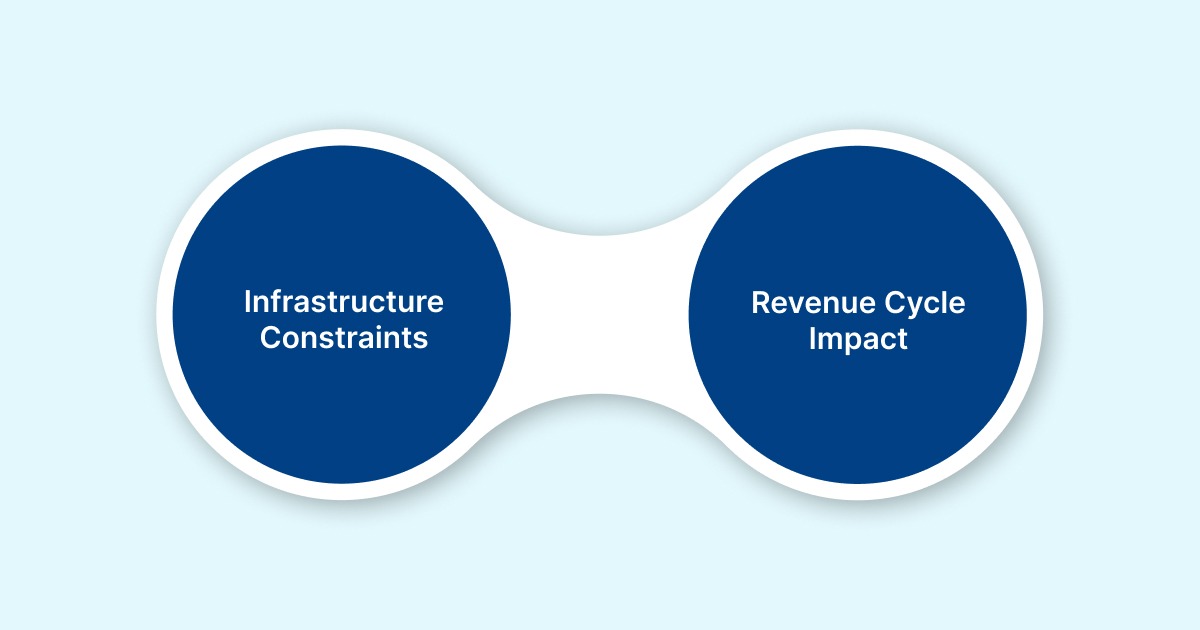
1. Infrastructure Constraints
On-prem EMRs require internal server management, periodic hardware refreshes, manual upgrades, and local disaster recovery planning. When multiple facilities run different versions of the same system, workflows become inconsistent and integration across departments becomes more complex. IT resources are often consumed by maintenance rather than performance improvement.
2. Revenue Cycle Impact
These infrastructure constraints ripple into revenue operations. Coders may experience delayed chart access, billing teams may rely on manual data transfers, and automation tools may struggle with limited API connectivity. Disconnected denial management and risk adjustment workflows further increase operational friction.
Even small productivity declines, when multiplied across thousands of encounters, extend days in accounts receivable. When claim validation occurs late in the process, preventable denials rise.
These limitations reflect a broader shift across healthcare. Organizations are recognizing that infrastructure decisions directly influence interoperability, automation readiness, and reimbursement stability.
Why EMR Integration and Interoperability Are Strategic Priorities
Healthcare organizations are shifting toward connected systems that allow clinical, financial, and operational data to move securely across platforms. Siloed applications slow coordination, limit analytics, and restrict automation.
Market growth reflects this demand. The healthcare interoperability solutions sector, valued at approximately USD 3.94 billion in 2024, is projected to grow significantly over the next decade. Broader healthcare IT integration markets are also expanding as providers prioritize standardized data exchange to support automation and performance reporting.
The EMR market remains central to this transformation. Modernization efforts are no longer focused solely on system adoption, but on ensuring EMRs integrate reliably with billing systems, analytics tools, and payer platforms.
Interoperability has become a strategic requirement. As organizations evaluate how to support automation and real-time data exchange, many are reassessing whether their current EMR architecture can meet those demands or whether a cloud-based model is better suited to support them.
What Are Cloud-Based Electronic Medical Records?
Cloud-based electronic medical records store clinical and administrative data in secure, remote environments instead of local servers within a healthcare facility. Authorized users access the system through encrypted web connections.
Unlike traditional on-prem systems that require hardware management, manual upgrades, and local maintenance, cloud deployment shifts infrastructure responsibility to the vendor. Storage and computing capacity can expand as needed, updates are centrally managed, and secure access is available across multiple locations.
This model supports standardized data exchange and integration with analytics and automation platforms. To understand the operational impact, it is important to look at how cloud EMR architecture functions in practice.
How Cloud-Based EMRs Work: Architecture, Data Flow, and Security
Cloud-based EMRs operate on vendor-managed infrastructure hosted in secure data centers rather than local servers. This centralized model determines how information is stored, accessed, and controlled across clinical and revenue operations.
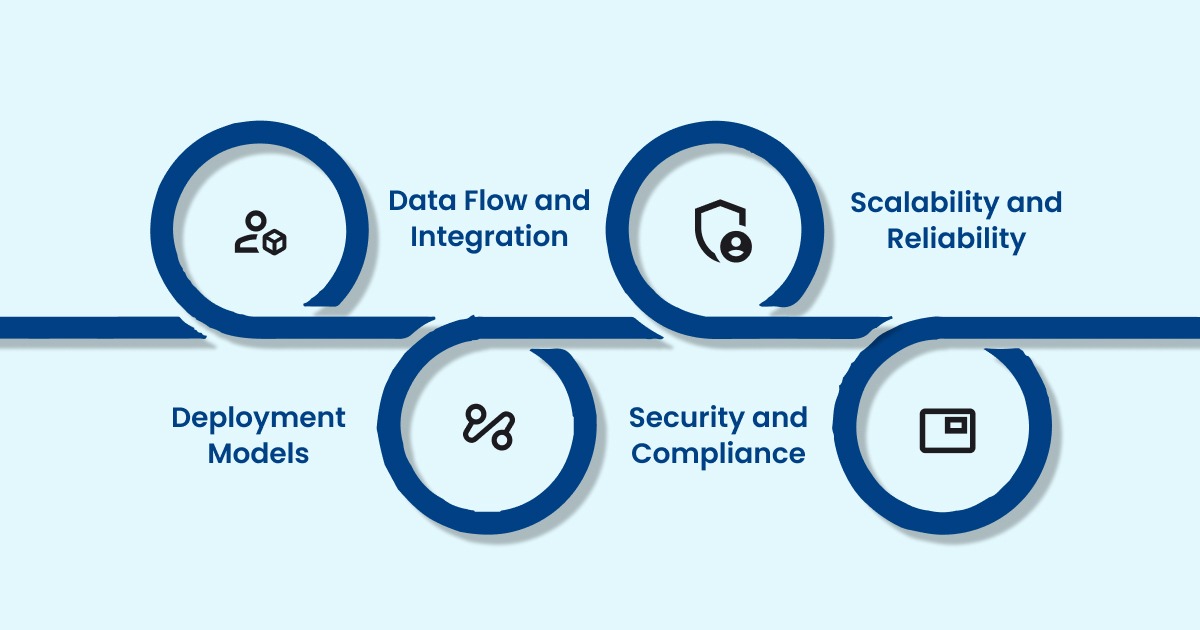
Deployment Models
Organizations typically choose from three approaches:
Multi-tenant SaaS: Shared environment with standardized updates and lower operational overhead
Managed cloud: Vendor-managed instance with configurable controls
Each option balances customization, governance, and cost differently.
Data Flow and Integration
Clinical and administrative data moves through structured interfaces rather than manual transfers. APIs, HL7 messages, and FHIR resources connect documentation systems, labs, imaging platforms, billing applications, and payer portals.
Reliable data exchange ensures diagnoses, procedures, and encounter details are accessible for coding validation and claim submission without additional formatting steps.
Cloud EMRs are built with safeguards such as encryption, role-based access controls, multi-factor authentication, and detailed audit trails. Vendors must provide Business Associate Agreements and documented HIPAA-aligned controls. Providers remain responsible for oversight, monitoring, and incident response alignment.
Scalability and Reliability
Cloud platforms are modular, allowing organizations to configure users, workflows, and integrations without rebuilding the system. Many rely on microservices and container orchestration technologies to support scalability and high availability.
When implemented correctly, this architecture supports secure interoperability and provides the foundation for automation and analytics across the enterprise.
Benefits of Cloud-Based Electronic Medical Records
Healthcare organizations are moving to cloud-based EMRs to improve operational efficiency, strengthen data governance, and support automation across the revenue cycle.
a) Financial and Infrastructure Efficiency
Cloud deployment shifts spending from capital investment to predictable operating expense. Organizations eliminate the need for server ownership, hardware refresh cycles, and manual upgrade coordination.
Key advantages include:
Predictable subscription-based pricing
Vendor-managed updates and maintenance
Faster onboarding of new sites
Reduced internal IT workload
This model improves cost visibility while reducing infrastructure overhead.
b) Secure, Location-Independent Access
Cloud architecture enables authorized clinicians, coders, and administrators to access records from approved locations without reliance on local servers.
Operational benefits include:
Support for telehealth and distributed teams
Real-time access across multiple facilities
Secure role-based permissions
This improves continuity of care and workflow coordination while maintaining compliance safeguards.
c) Standardized Data and Interoperability
Cloud platforms promote consistent data structures across departments and facilities, reducing documentation variability.
This supports:
Improved coding consistency
More accurate reporting
Stronger analytics readiness
Seamless integration with billing and payer systems
Structured APIs and interoperability standards reduce manual exports and formatting errors.
d) Revenue Cycle Optimization
Cloud environments improve data availability and workflow timing across coding and billing functions.
When aligned with validation and automation tools, organizations can:
Improve claim accuracy
Reduce documentation gaps
Shorten chart processing cycles
Lower preventable denial rates
For teams focused on productivity gains, you can explore howRapidCodeenhances coder throughput in cloud EMR workflows by embedding AI-driven code suggestions directly into structured documentation streams.
e) Scalability and System Reliability
Cloud systems expand without additional hardware investment. Organizations can add users, clinics, or service lines without infrastructure rebuilds.
This provides:
Flexible growth without capital expenditure
Redundant infrastructure for high availability
Automated backup and recovery mechanisms
Operational continuity improves as system resilience increases.
This strengthens traceability and reduces compliance exposure.
Cloud-based electronic medical records deliver consistent operational advantages across infrastructure, workflow efficiency, and revenue performance.
To fully understand the magnitude of these benefits, it helps to compare cloud deployment directly against traditional on-prem environments through a revenue cycle lens.
Understanding the financial and operational impact of infrastructure choices requires a direct comparison of how on-prem and cloud EMR models affect reimbursement performance. Here’s how they differ:
Factor
On-Prem EMR
Cloud EMR
Infrastructure Cost
Capital-intensive hardware and maintenance
Subscription-based operating model
Upgrade Model
Manual updates with planned downtime
Vendor-managed, centralized updates
Interoperability
Limited API flexibility
HL7 and FHIR-based integration support
Automation Readiness
Requires custom interfaces
Built for structured data exchange
Remote Access
VPN-dependent
Secure web-based access
Denial Prevention
Post-submission error detection
Real-time pre-submission validation
Cloud infrastructure by itself does not eliminate denials. However, it provides the structured data access and integration capability required for automated coding validation and early error detection.
The difference is not just technical. On-prem systems often delay validation until after submission, increasing rework. Cloud environments support real-time workflows that identify documentation gaps and coding discrepancies before claims reach the payer.
The strategic advantage emerges when cloud EMRs are integrated with automation tools that operate on standardized, accessible data.
How Cloud EMRs Enable AI-Driven Medical Coding and Denial Prevention
Cloud-based electronic medical records provide the structured data environment required for accurate, automated coding. When integrated with AI-driven coding engines, they support earlier validation and reduce errors before claims are submitted.
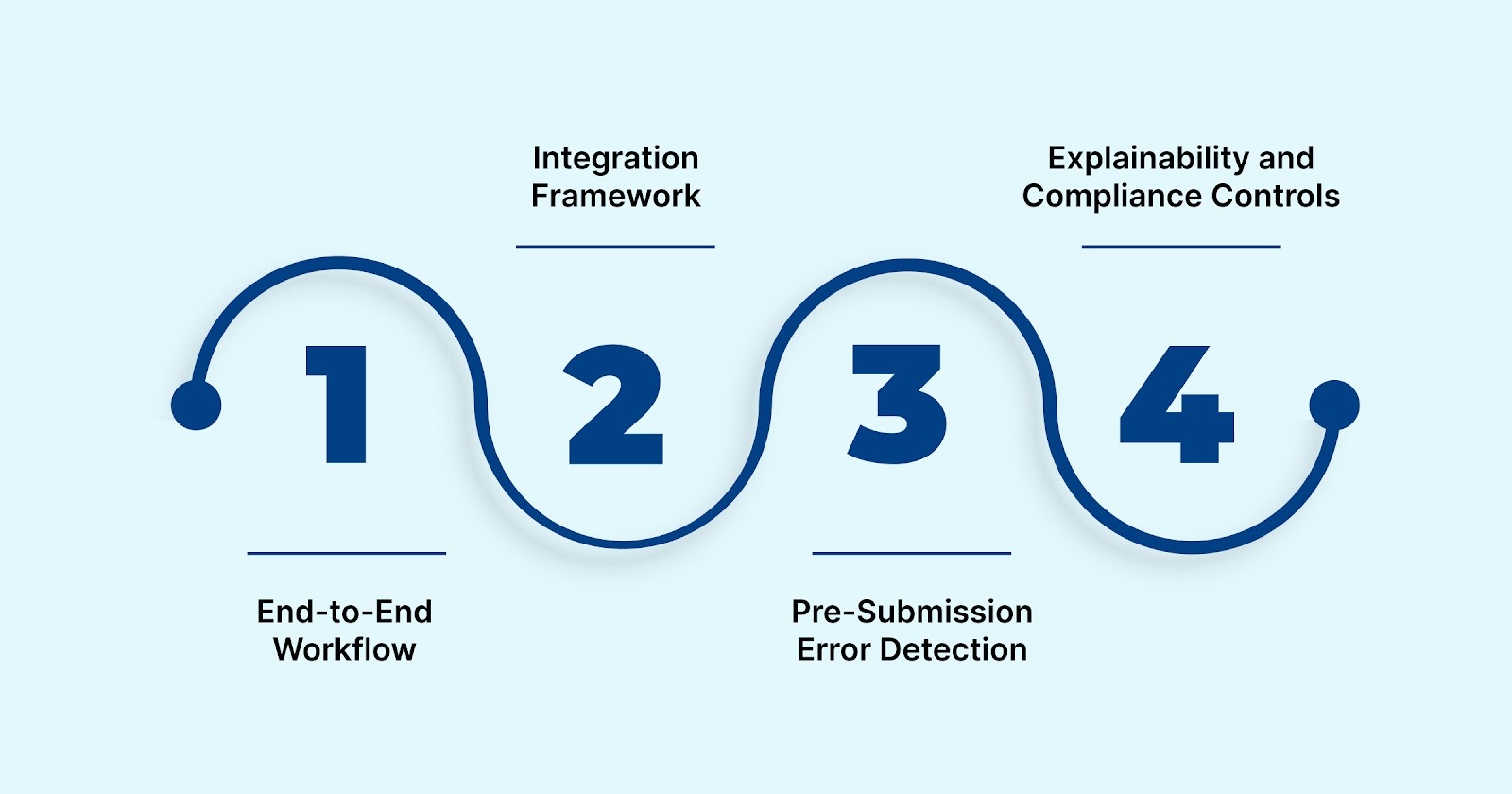
End-to-End Workflow
In practice, the process follows a defined sequence:
A provider completes documentation within the cloud EMR.
Relevant chart data is transmitted securely through integration endpoints.
The AI engine identifies diagnoses, procedures, and clinical indicators.
Resolving these issues early reduces rework, shortens billing cycles, and lowers denial rates.
Explainability and Compliance Controls
AI-generated coding must remain transparent and defensible. Effective systems include:
Confidence scoring for suggested codes
Citation of supporting documentation
Complete change logs
Human review controls
Cloud-based audit logging enables traceability at scale, supporting internal reviews and external audits.
When cloud EMRs and AI coding automation operate together, organizations establish a continuous validation process that strengthens claim accuracy, protects reimbursement, and supports compliance.
Cloud-based electronic medical records deliver measurable improvements when integrated with coding automation and pre-submission validation. While operational pressures differ by organization type, the goal remains the same: improve coding accuracy, reduce claim denials, and maintain audit readiness.
1. Large Hospital Systems
Multi-site hospital networks often face documentation variation across departments and facilities. Inconsistent templates and delayed chart completion increase denial exposure, particularly for Medicare Advantage populations.
With cloud EMR integration and automated validation, hospital systems can:
Standardize documentation across sites
Improve HCC capture consistency
Reduce manual coding review
Strengthen audit traceability
Centralized infrastructure also supports uniform compliance oversight across the enterprise.
2. Multi-Specialty Physician Groups
Physician groups frequently experience coding delays due to chart sign-off timing and limited technical support.
Cloud-based systems combined with validation tools enable:
These improvements support stable reimbursement performance.
3. Medical Billing Organizations
Billing companies managing multiple client accounts must maintain consistent validation while adhering to varied payer rules.
Cloud EMR integration supports:
Standardized pre-submission checks
Reduced payer-specific denial trends
Shorter payment cycles
Scalable oversight without proportional staffing growth
Centralized validation improves efficiency across accounts.
4. Federally Qualified Health Centers and Community Providers
FQHCs and community providers operate under financial constraints and limited IT capacity.
Cloud EMR adoption offers:
Predictable infrastructure costs
Access to updated system capabilities
Improved documentation consistency
When combined with automation tools, these organizations can reduce avoidable denials without significant capital investment.
Despite these gains, cloud adoption is not without complexity. Successful implementation requires careful governance, technical validation, and operational alignment.
Challenges of Cloud-Based EHR Adoption
Cloud EMR adoption improves flexibility and scalability, but it also introduces governance, integration, and operational responsibilities that require structured oversight.
Security and Compliance Accountability
Transitioning to a cloud environment does not shift regulatory responsibility. Healthcare organizations remain accountable for HIPAA compliance and must ensure encryption standards, access controls, audit logging, and incident response protocols are properly configured. Vendor certifications support due diligence, but governance and monitoring remain internal responsibilities.
Data Migration and Interoperability
Migrating historical clinical and coding data requires precise validation to preserve reporting accuracy and reimbursement integrity. Cloud EMRs must also integrate reliably with labs, imaging systems, billing platforms, and payer portals. While interoperability standards such as HL7 and FHIR support connectivity, implementation quality directly affects automation readiness.
Workflow Disruption and Change Management
Cloud deployment can temporarily affect productivity. New interfaces, structured documentation templates, and updated workflows often require training and adaptation. Without phased implementation and performance monitoring, organizations may experience short-term slowdowns in coding and billing operations.
Vendor Governance and Contract Risk
Cloud platforms prioritize standardized architecture, which may limit deep customization. Organizations must evaluate service-level agreements, data portability provisions, and outage response commitments before migration. Clear contractual alignment is essential to protect operational continuity and reimbursement performance.
Cloud-based EMRs offer operational advantages, but successful adoption depends on disciplined governance, validated integration, and structured migration planning. Infrastructure modernization must ultimately support stable reimbursement performance.
Cloud EMR Migration Checklist for Healthcare Leaders
Before migrating to a cloud-based EMR, healthcare leaders should evaluate technical readiness, compliance safeguards, and revenue cycle impact. A structured approach reduces disruption and protects reimbursement performance.
Key considerations include:
Assess current denial rates, coding accuracy, and workflow bottlenecks
Validate historical ICD-10, CPT, HCPCS, and HCC data mapping
Test interoperability with billing systems, payer portals, and analytics tools
Confirm HIPAA safeguards, encryption standards, and audit logging controls
Review uptime SLAs, data export rights, and incident response commitments
Conduct phased pilot testing before full-scale rollout
Monitor productivity and denial trends during and after go-live
A structured migration approach ensures that cloud adoption strengthens automation capability while maintaining compliance and financial stability.
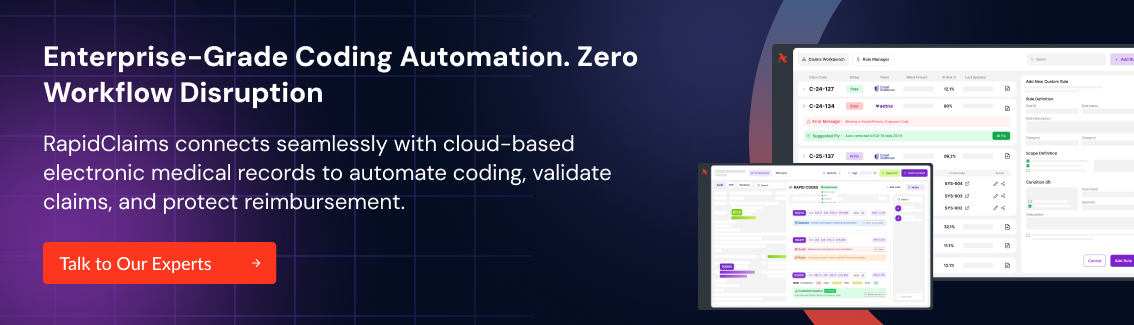
Solutions such asRapidClaimsextend the value of cloud EMR environments by embedding AI-driven medical coding and real-time validation into the workflow. By integrating directly with EMRs and billing systems, RapidClaims helps organizations improve coding precision, reduce preventable denials, and support more consistent reimbursement outcomes.
Final Thoughts
Cloud-based electronic medical records improve infrastructure, but infrastructure alone does not reduce denials. Real results come when cloud systems support automation across coding and validation workflows.
Structured, accessible data allows teams to process charts faster, improve documentation accuracy, strengthen HCC capture, and catch errors before claims are submitted. These improvements directly affect reimbursement and compliance performance.
For revenue cycle leaders, cloud adoption should be viewed as a foundation for smarter coding and denial prevention.RapidClaimsintegrates with cloud EMR environments to provide AI-driven coding and real-time validation that help organizations improve accuracy and protect revenue.
To see how RapidClaims can support your cloud EMR strategy,request a personalized demoand evaluate its impact on your coding workflows.
FAQs
1. Are cloud-based electronic medical records HIPAA compliant?
They can be, provided encryption, role-based access controls, audit logging, and Business Associate Agreements are properly implemented. Compliance depends on both vendor safeguards and provider governance.
2. How do cloud EMRs affect HCC capture for Medicare Advantage?
Cloud systems improve access to longitudinal documentation and structured data. When integrated with risk adjustment coding tools, they help identify unsupported or missed HCCs before submission.
3. Will moving to a cloud EMR reduce claim denials?
Cloud infrastructure alone does not reduce denials. Denial performance improves when clean, accessible data is paired with real-time coding validation and claim scrubbing workflows.
4. How long does cloud EMR migration typically take?
Migration timelines depend on data volume, integrations, and customization. Smaller practices may complete transitions in weeks, while large systems often require phased deployments over several months.
5. Can AI coding automation integrate with cloud or legacy EMRs?
Yes, through APIs, HL7, or FHIR-based connections. Accurate performance requires validated data mapping and structured clinical documentation.
6. What should organizations review in vendor contracts?
Leaders should confirm uptime SLAs, data export rights, incident response obligations, and documented security controls. Clear contractual terms protect operational continuity and compliance.
Get the next analysis in your inbox
The Revenue Cycle Briefing — operator-grade research, every other Wednesday. 12,400+ subscribers.
About the author
Rejones Patta
Medical Coder · RapidClaims
Rejones Patta is a knowledgeable medical coder with 4 years of experience in E/M Outpatient and ED Facility coding, committed to accurate charge capture, compliance adherence, and improved reimbursement efficiency at RapidClaims.